


When Your Hair Starts Looking Different
- Hair thinning can develop gradually, making changes in density difficult to notice at first.
- Genetics, hormonal changes, stress, health conditions and nutritional factors can all contribute to hair loss.
- A healthy scalp supports normal hair growth, but scalp care alone cannot address every cause of thinning.
- Hair growth therapy may support scalp condition and existing follicles, depending on the individual’s needs.
- Sudden, patchy or severe hair loss should be assessed by a medical professional.
Why Does Hair Start Looking Thinner Over Time?
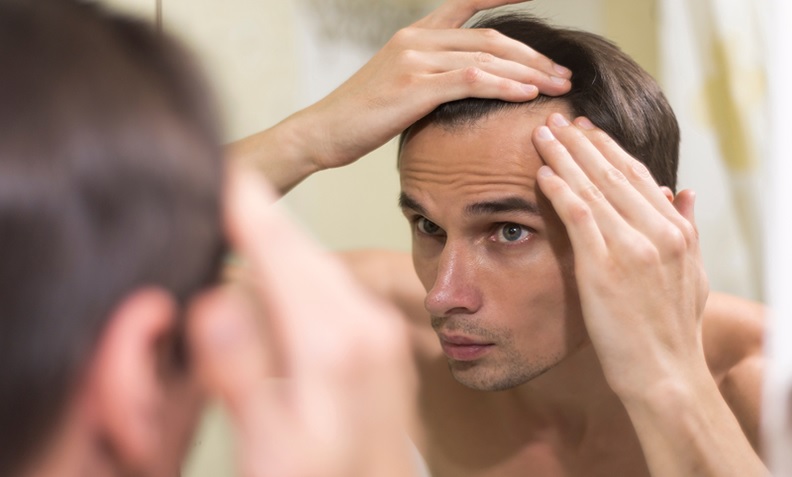
Noticing more scalp when you look in the mirror can be unsettling. Perhaps your parting looks wider, your ponytail feels smaller, or your hair no longer has the same volume. Sometimes, the change happens so gradually that you only notice it when comparing recent photos with older ones.
Hair thinning can happen for several reasons. Genetics is a common factor, particularly when hair gradually becomes finer around the crown, temples or hairline. Hormonal changes, ageing and certain health conditions can also affect the hair growth cycle. Stress, illness and nutritional deficiencies may contribute to increased shedding in some people.
It is also useful to understand that hair fall and hair loss are not always the same. Some shedding is part of the normal hair cycle, as older strands fall out and new ones begin to grow. However, persistent shedding, reduced density, or changes in the thickness of individual strands may point to a wider concern.
The first step is to avoid guessing. A closer look at your scalp, hair density and pattern of thinning can help clarify what may be happening. This is particularly useful before choosing products or considering hair regrowth in Singapore.
How Does Scalp Condition Affect Hair Growth?
Hair grows from follicles within the scalp, so the condition of this area deserves attention. Excess oil, product residue, irritation and persistent flaking can make the scalp uncomfortable and harder to manage. These concerns do not explain every type of hair loss, but they can affect overall scalp health.
A suitable scalp-care routine starts with gentle cleansing. Choose products that suit your scalp type, rinse thoroughly and avoid excessive scratching. If you use styling products regularly, make sure they do not accumulate around the roots. Harsh treatments and frequent chemical processing may also irritate a sensitive scalp.
Follicle condition is another consideration. Some people notice fine, short strands around the hairline or crown. These may be new hairs, or they may be finer strands that have not developed the same thickness as surrounding hair. Their appearance alone does not confirm whether they will become thicker.
Bio Organicare takes a scalp-first approach to hair concerns. Its process begins with a digital scalp analysis that examines factors such as oil levels, sensitivity, buildup, follicle condition and visible thinning. This assessment helps guide recommendations according to the individual’s scalp condition rather than applying the same treatment to everyone.
What Should You Know About Hair Growth Therapy?
Hair growth therapy can refer to different approaches, so it is important to understand what a particular service is designed to do. Some treatments focus on medical causes of hair loss, while others provide non-medical scalp care intended to support scalp condition and the appearance of existing hair.
Bio Organicare’s hair growth treatment focuses on fine, short baby hairs that may struggle to develop into thicker, more visible strands. Its programme combines digital scalp analysis, targeted cleansing, Regenerative Growth Factor (RGF) therapy and Prof. Steme Serum. The approach aims to support the scalp environment and existing follicle activity.
However, hair growth therapy does not guarantee that every fine strand will mature or that areas with significant hair loss will regrow hair. Results depend on factors such as follicle condition, the cause of thinning and individual response. Changes in hair density also take time, as hair grows gradually.
Distinguish non-medical scalp care from established medical hair-loss treatments. For certain types of hair loss, a doctor or dermatologist may recommend treatments such as minoxidil or other options after assessing the cause. These approaches are not interchangeable, and a scalp-care service should not replace medical advice when it is needed.
How Can You Choose the Right Approach to Hair Regrowth in Singapore?
Before committing to a treatment, consider how your hair has changed and whether you have other scalp symptoms. Is your hair gradually becoming finer, or are you experiencing sudden shedding? Is the scalp oily, itchy or irritated? These details can help determine what kind of assessment may be appropriate.
A professional scalp analysis can provide a closer view of the scalp and visible follicle condition. It may help identify buildup, oiliness, sensitivity and patterns of thinning. However, it cannot diagnose every medical cause of hair loss. A doctor may need to investigate factors such as hormonal changes, nutritional deficiencies or underlying health conditions.
When comparing options for hair regrowth in Singapore, ask what the treatment involves, what concerns it is intended to address and what results can realistically be expected. Check whether the provider explains the process, discusses limitations and gives you time to consider the recommendations.
Bio Organicare offers non-medical scalp care and consultation-led treatment plans. Its hair growth therapy is intended to support existing baby hairs and improve scalp condition, rather than promise a cure for every form of hair loss. Anyone experiencing sudden or patchy hair loss, severe shedding, or a red, painful or broken scalp should seek medical advice before starting scalp treatment.
Give Your Hair a Better Chance with Informed Care
Thinning hair can have several causes, and finding the right response begins with understanding the changes rather than rushing into the first treatment available. Pay attention to your scalp, review your daily habits and seek professional advice when hair loss is persistent or unusual.
Take the First Step Towards Understanding Your Scalp
Hair care becomes more purposeful when you know what your scalp needs. Whether you are concerned about fine baby hairs, reduced density, or ongoing shedding, a proper assessment can help you understand your options and their limitations.
Contact us at Bio Organicare to learn more about our scalp analysis and hair growth therapy. A clearer understanding of your scalp condition can help you make informed decisions about your next steps.