

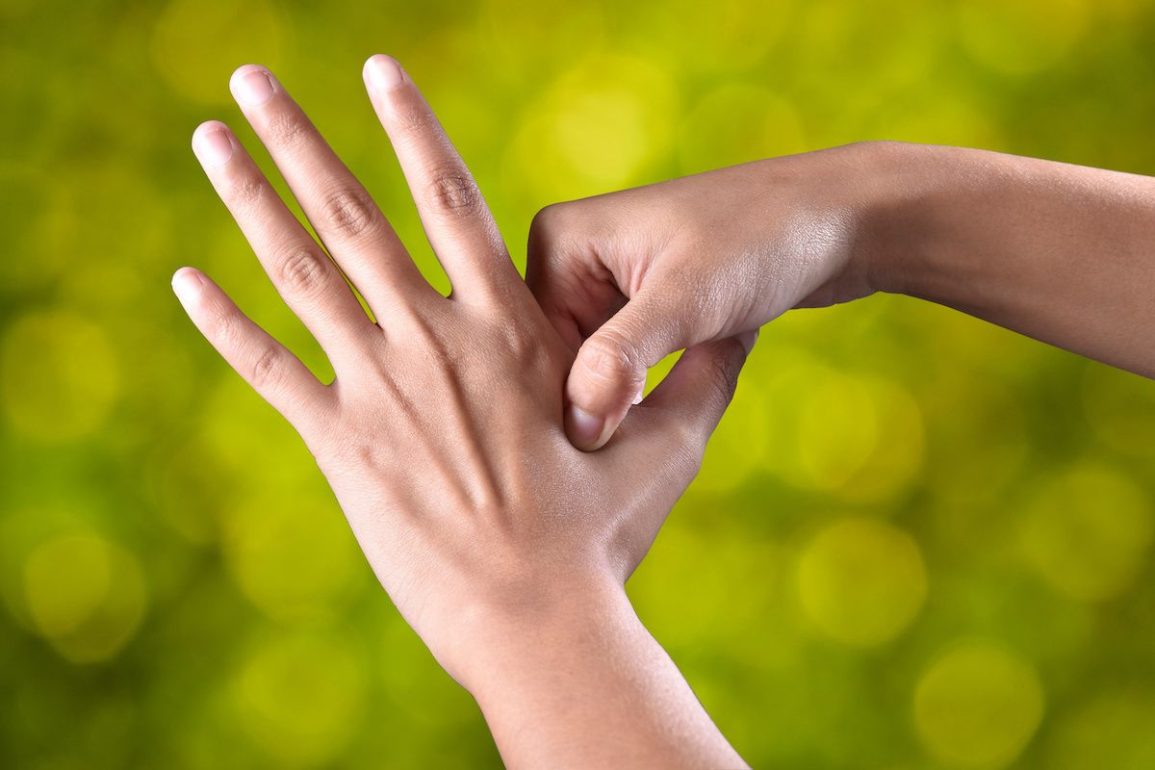

In a fast-paced world dominated by quick fixes, many people are turning back to holistic care for sustainable well-being. Among the most accessible and time-tested approaches is acupressure, a hands-on technique rooted in traditional healing systems that focuses on restoring balance in the body naturally.
Understanding Acupressure in Holistic Healing
Acupressure is based on the idea that the body contains specific energy pathways. By applying gentle pressure to targeted points, practitioners aim to support the body’s natural ability to heal itself.
Key characteristics of acupressure include:
- No needles or invasive tools
- Use of fingers, thumbs, or palms
- Focus on whole-body balance rather than isolated symptoms
This approach aligns closely with holistic care, which treats physical, mental, and emotional health as interconnected.
How Acupressure Supports the Body Naturally
Acupressure works by stimulating specific points that influence circulation, nerve response, and muscular relaxation.
Common Benefits of Acupressure
- Stress and tension relief
- Improved sleep quality
- Reduced headaches and muscle pain
- Digestive support
- Enhanced energy flow
While results vary from person to person, consistent practice often leads to noticeable improvements in overall well-being.
Acupressure as Part of a Holistic Lifestyle
Holistic care goes beyond treating discomfort; it emphasizes daily habits that nurture long-term health.
Integrating Acupressure Into Daily Life
- Morning sessions to boost energy and focus
- Midday pressure points for stress management
- Evening routines to promote relaxation and sleep
When combined with proper nutrition, hydration, movement, and mindfulness, acupressure becomes a powerful complement to a holistic lifestyle.
Self-Acupressure: Simple and Accessible
One of the greatest advantages of acupressure is that it can be practiced almost anywhere.
Tips for Safe Self-Acupressure
- Apply steady, gentle pressure for 30–60 seconds
- Breathe slowly and deeply while applying pressure
- Avoid bruised, injured, or inflamed areas
- Stop if pain or discomfort increases
Consistency matters more than intensity. Gentle, regular practice is key.
The Mind-Body Connection in Holistic Care
Holistic care recognizes that emotional stress often manifests physically. Acupressure addresses this connection by calming the nervous system while easing physical tension.
Benefits for mental and emotional health may include:
- Reduced anxiety
- Improved mood
- Enhanced focus and clarity
This dual impact makes acupressure especially valuable for those seeking balance in both mind and body.
When to Seek Professional Guidance
Although self-acupressure is generally safe, some individuals may benefit from professional support.
You may consider expert guidance if you:
- Experience chronic pain or recurring symptoms
- Have underlying medical conditions
- Are pregnant or recovering from surgery
A trained practitioner can tailor techniques to your specific needs within a broader holistic care plan.
A Gentle Approach to Long-Term Wellness
Acupressure and holistic care emphasize prevention, balance, and self-awareness. Rather than masking symptoms, they encourage listening to the body and responding with intention. For many, this approach becomes not just a therapy, but a way of life.
Frequently Asked Questions
1. Is acupressure scientifically proven?
Some studies suggest benefits for pain relief and stress reduction, though results vary and research is ongoing.
2. How long does it take to feel results from acupressure?
Some people feel immediate relaxation, while others notice gradual improvement over several sessions.
3. Can acupressure replace medical treatment?
No. Acupressure is a complementary practice and should not replace professional medical care.
4. How often should acupressure be practiced?
Daily or several times a week is common, depending on individual comfort and goals.
5. Is acupressure safe for children and seniors?
Generally yes, when performed gently and appropriately for age and condition.
6. Does acupressure hurt?
It should not cause pain. Mild tenderness is normal, but sharp or intense pain is a sign to stop.
7. Can acupressure help with emotional stress?
Many people use acupressure to support emotional balance by promoting relaxation and nervous system calm.