

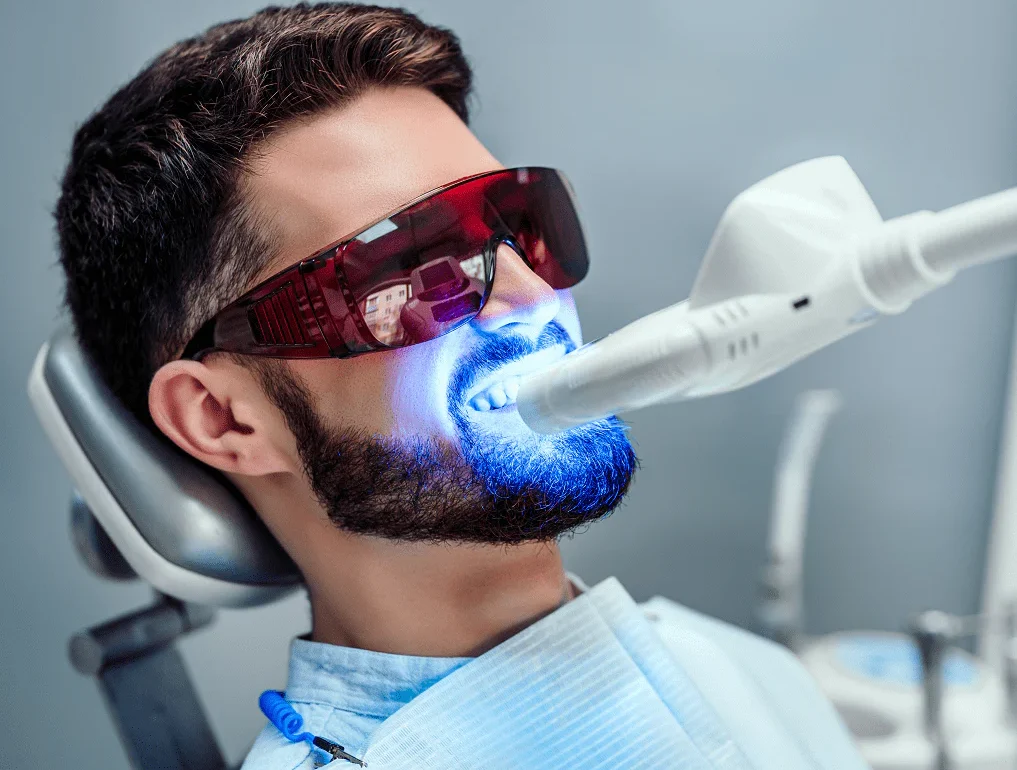

A bright smile is often associated with confidence and good health, which explains why teeth whitening has become one of the most sought-after dental treatments. With countless products and promises on the market, it’s easy to feel confused about what actually delivers results. Understanding the science behind whitening helps separate effective solutions from marketing hype.
Why Teeth Become Discolored in the First Place
Tooth discoloration happens gradually and is usually unavoidable. The outer enamel wears down over time, allowing the yellowish dentin underneath to show through.
Common causes include:
- Coffee, tea, and red wine
- Smoking and tobacco use
- Poor oral hygiene
- Natural aging
- Certain medications, such as tetracycline antibiotics
Knowing the source of discoloration matters because not all stains respond to whitening the same way.
How Teeth Whitening Actually Works
Most whitening methods rely on peroxide-based agents that penetrate enamel and break down stain molecules. The effectiveness depends on concentration, contact time, and consistency.
Key Factors That Influence Results
- Strength of the whitening agent
- Duration of treatment
- Type of stains (surface vs. internal)
- Individual enamel thickness
Whitening does not change the natural color of teeth; it only removes stains that darken them.
Professional Teeth Whitening: The Gold Standard
In-office whitening performed by dental professionals remains the most reliable option.
Why Professional Whitening Is Effective
- Uses high-concentration bleaching agents
- Supervised to protect gums and enamel
- Produces visible results in a single session
This option is ideal for people seeking fast, dramatic improvement, especially for deep or stubborn stains.
At-Home Whitening Products: What Helps and What Doesn’t
Over-the-counter products vary widely in quality and results.
Options That Can Work
- Whitening strips with peroxide
- Custom-fit trays from a dentist
- LED-assisted kits (when paired with peroxide gels)
Products With Limited Impact
- Whitening toothpastes (mostly remove surface stains)
- Charcoal powders (abrasive, not true whitening)
- DIY remedies like lemon or baking soda
While at-home methods can lighten teeth gradually, results are typically milder than professional treatments.
The Myth of “Instant” and “Permanent” Whitening
No whitening method lasts forever. Teeth continue to absorb stains from food and drinks.
Important truths to remember:
- Whitening is not permanent
- Touch-up treatments are necessary
- Overuse can lead to tooth sensitivity
Maintenance habits matter just as much as the initial treatment.
How to Maintain a Whiter Smile
Keeping teeth bright requires consistency, not extreme measures.
Smart Maintenance Tips
- Brush twice daily with fluoride toothpaste
- Use a straw for dark beverages
- Rinse with water after staining foods
- Avoid smoking
- Schedule regular dental cleanings
These habits slow down discoloration and extend whitening results.
Who Should Avoid Teeth Whitening
Whitening isn’t suitable for everyone.
It may not be recommended if you have:
- Untreated cavities or gum disease
- Extremely sensitive teeth
- Dental restorations (crowns and veneers don’t whiten)
- Pregnancy or breastfeeding, unless approved by a dentist
A professional evaluation ensures whitening is safe and effective for your situation.
Frequently Asked Questions
1. How long do teeth whitening results usually last?
Results can last from several months to a few years, depending on diet, habits, and oral hygiene.
2. Does teeth whitening damage enamel?
When used correctly, whitening products are safe and do not damage enamel.
3. Why do some teeth whiten unevenly?
Variations in enamel thickness and stain type can cause uneven results.
4. Can yellow teeth become white again?
Yes, most yellow surface stains respond well to whitening treatments.
5. Is sensitivity after whitening normal?
Mild sensitivity is common and usually temporary, lasting a few days.
6. Do natural remedies whiten teeth effectively?
Most natural remedies lack evidence and may be abrasive rather than effective.
7. How often can teeth be safely whitened?
Most people should wait at least 6–12 months between full whitening treatments, depending on sensitivity and dentist advice.