


Patient-centered care places women at the heart of every healthcare decision. In women’s health clinics, this approach goes beyond treating symptoms—it recognizes each patient’s values, preferences, cultural background, and life stage. When care is collaborative and respectful, outcomes improve and trust grows.
What Patient-Centered Care Means in Women’s Health
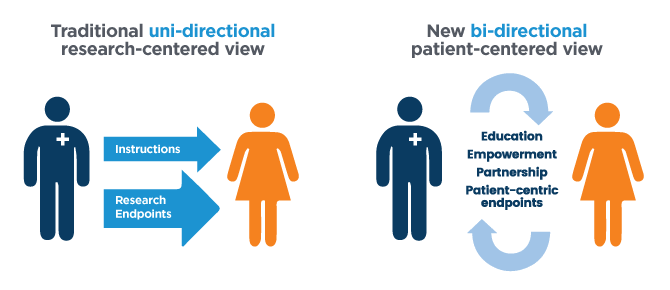
Patient-centered care focuses on partnership rather than authority. Healthcare providers work with patients, not just for them.
Core principles include:
- Respect for individual needs and choices
- Clear, two-way communication
- Emotional support alongside medical care
- Involvement of patients in decision-making
This model is especially important in women’s health, where care often spans physical, emotional, and reproductive wellbeing.
Personalized Care Across Life Stages
Women’s health needs evolve over time, from adolescence to menopause and beyond. Patient-centered clinics tailor care to each stage rather than using a one-size-fits-all approach.
Personalized care may include:
- Age-appropriate screenings and education
- Reproductive and fertility counseling
- Pregnancy and postpartum support
- Menopause and hormonal health guidance
Acknowledging life transitions helps patients feel seen and understood.
Open Communication Builds Trust
Effective communication is the foundation of patient-centered care. Women are more likely to engage in their healthcare when they feel heard and respected.
Strong communication involves:
- Allowing patients time to ask questions
- Using clear, non-judgmental language
- Explaining options and potential outcomes
- Encouraging shared decision-making
Trust improves adherence to treatment plans and overall satisfaction.
Respect for Cultural and Individual Differences
Women come from diverse cultural, social, and personal backgrounds that influence health beliefs and choices.
Patient-centered clinics prioritize:
- Cultural sensitivity and inclusivity
- Language access and interpretation services
- Respect for personal values and beliefs
- Trauma-informed care practices
This respect creates safer, more welcoming healthcare environments.
Coordinated and Holistic Care
Women often manage multiple health concerns at once. Patient-centered clinics aim to coordinate care across specialties.
Holistic care may address:
- Physical health
- Mental and emotional wellbeing
- Lifestyle factors such as nutrition and stress
- Preventive care and education
Integrated care reduces fragmentation and improves continuity.
Empowerment Through Education
Educated patients are empowered patients. Providing clear information helps women make confident decisions about their health.
Educational support includes:
- Explaining test results and diagnoses
- Discussing prevention strategies
- Providing resources for self-care and follow-up
- Encouraging questions without pressure
Knowledge fosters independence and long-term engagement in care.
Creating a Supportive Clinical Environment
The physical and emotional atmosphere of a clinic influences how patients feel about seeking care.
Supportive environments often feature:
- Welcoming, private spaces
- Compassionate staff interactions
- Flexible appointment scheduling
- Attention to comfort and dignity
A positive environment reduces anxiety and improves access to care.
FAQs About Patient-Centered Care in Women’s Health Clinics
1. How is patient-centered care different from traditional care?
It emphasizes collaboration, respect, and patient involvement rather than provider-driven decisions.
2. Why is patient-centered care important in women’s health?
Women’s health involves complex physical and emotional factors that benefit from personalized, holistic care.
3. Can patient-centered care improve health outcomes?
Yes. Patients who feel heard are more likely to follow care plans and attend follow-up visits.
4. Does patient-centered care take more time during appointments?
Appointments may feel more thorough, but improved communication can reduce misunderstandings and repeat visits.
5. How can patients advocate for patient-centered care?
By asking questions, expressing preferences, and seeking providers who value shared decision-making.
6. Is patient-centered care suitable for all women?
Yes. It adapts to individual needs, regardless of age, background, or health status.
7. What role does emotional support play in women’s healthcare?
Emotional support reduces stress, improves trust, and enhances overall care experiences.
Patient-centered care transforms women’s health clinics into spaces of partnership, respect, and empowerment. When women are active participants in their healthcare, the result is not only better medical outcomes—but stronger, more trusting relationships between patients and providers.