

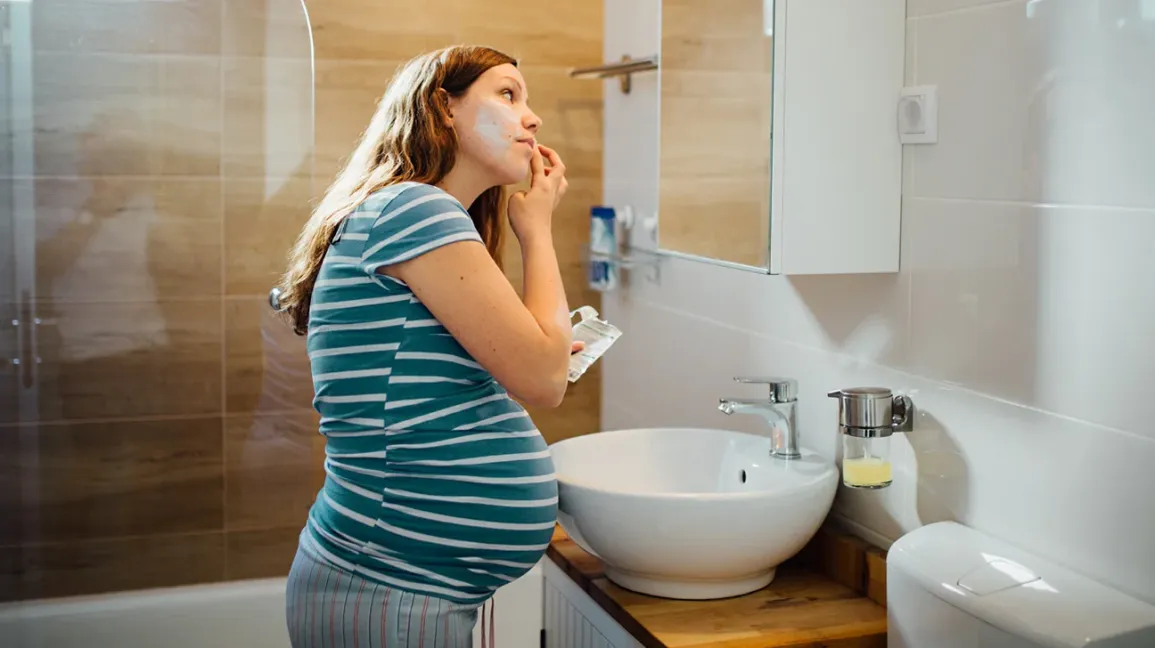

Pregnancy brings powerful changes to the body, and the skin is often one of the first places those changes appear. Hormonal shifts play a role, but diet has a significant influence on skin health during pregnancy. What you eat can support elasticity, hydration, clarity, and overall skin resilience throughout this stage.
The Connection Between Nutrition and Skin During Pregnancy
Skin cells rely on nutrients to repair, protect, and regenerate. During pregnancy, nutrient demands increase, and the skin reflects both shortages and balance.
A well-rounded diet helps:
- Support skin cell renewal
- Maintain moisture and elasticity
- Reduce inflammation and irritation
Nourishing foods provide the building blocks skin needs to adapt to rapid bodily changes.
Protein Supports Skin Structure and Repair
Protein is essential for collagen and elastin, which keep skin firm and flexible as it stretches.
Good pregnancy-friendly protein sources include:
- Eggs
- Beans and lentils
- Fish low in mercury
- Dairy products
- Lean meats or plant-based alternatives
Adequate protein intake supports skin strength and healing.
Healthy Fats Improve Skin Elasticity
Dietary fats help maintain the skin barrier and reduce dryness, which is common during pregnancy.
Skin-supporting fats include:
- Omega-3 fatty acids from fish and flaxseeds
- Monounsaturated fats from avocados and olive oil
- Nuts and seeds in moderate amounts
These fats support supple skin and may help reduce irritation.
Vitamins That Promote Skin Health
Certain vitamins play a direct role in skin appearance and function during pregnancy.
Key vitamins include:
- Vitamin C for collagen production and skin repair
- Vitamin A (from food sources) for skin cell growth
- Vitamin E for antioxidant protection
Obtaining these vitamins from whole foods supports both maternal and skin health safely.
Hydration and Water-Rich Foods Matter
Hydration is one of the most overlooked contributors to healthy skin during pregnancy.
Support hydration by:
- Drinking water consistently throughout the day
- Eating water-rich fruits and vegetables like cucumbers, oranges, and berries
- Including soups and broths in meals
Well-hydrated skin is more resilient and comfortable.
Fiber and Gut Health Influence Skin Clarity
Gut health and skin health are closely connected. Fiber supports digestion and helps reduce inflammation that may show up on the skin.
High-fiber foods include:
- Whole grains
- Vegetables
- Fruits with skin
- Legumes
A balanced digestive system often reflects in clearer, calmer skin.
Blood Sugar Balance Affects Skin Condition
Frequent spikes in blood sugar can worsen inflammation and contribute to breakouts.
To support stable blood sugar:
- Pair carbohydrates with protein or fat
- Choose whole grains over refined sugars
- Eat regular meals and snacks
Steady energy intake supports both skin and overall wellbeing.
Foods That May Trigger Skin Issues
Some foods may aggravate skin sensitivity during pregnancy, especially when consumed in excess.
Potential triggers include:
- Highly processed foods
- Excess added sugars
- Fried or greasy foods
Reducing these supports a calmer skin environment.
FAQs About Diet and Skin Health During Pregnancy
1. Can diet really affect pregnancy-related skin changes?
Yes. While hormones play a role, nutrition significantly influences skin hydration, elasticity, and inflammation.
2. Does eating more fat cause oily skin during pregnancy?
No. Healthy fats support skin balance and do not directly cause oiliness when eaten in moderation.
3. Are breakouts during pregnancy linked to diet?
Diet can influence inflammation and blood sugar, which may affect breakouts, though hormones are a major factor.
4. How long does it take for diet changes to reflect on the skin?
Skin improvements often appear within a few weeks of consistent, balanced nutrition.
5. Is glowing skin during pregnancy related to food intake?
A nutrient-rich diet supports circulation and hydration, which can enhance skin appearance.
6. Should supplements replace food for skin health?
Whole foods should come first. Supplements should only be used under medical guidance.
7. Can dehydration worsen skin dryness during pregnancy?
Yes. Inadequate hydration can increase dryness, tightness, and irritation.
Diet plays a powerful role in how skin adapts during pregnancy. By focusing on balanced nutrition, hydration, and consistency, you support healthier skin while nourishing your body through this important stage of life.